Wales Beyond the Valleys: Coastline, Castles and Quiet Towns
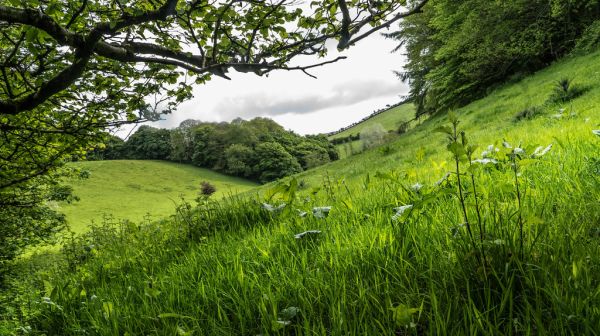
Wales tends to get summarised in a few familiar images: rugby, male voice choirs, the Valleys and Cardiff. All of that is real, but it leaves out a surprising amount, particularly the coastline and the smaller towns that make up much of the country’s character away from the capital.
A coastline that rivals anywhere in Britain
The Pembrokeshire Coast Path runs for nearly two hundred miles and takes in some of the most dramatic cliff scenery in the UK, largely without the crowds that similar landscapes attract elsewhere. Gower, just west of Swansea, was the first place in Britain to be officially designated an Area of Outstanding Natural Beauty, and its beaches remain relatively uncrowded even in peak summer compared with equivalent stretches of English coast.
Castles everywhere you look
Wales has one of the highest densities of castles anywhere in Europe, a legacy of centuries of conflict and control stretching back to Edward I’s ring of fortresses built to subdue the country in the thirteenth century. Caernarfon and Conwy are the best known, but smaller ruins are scattered across the countryside, often free to explore and rarely busy, which makes them an easy addition to any road trip through North Wales.
The Welsh language is alive, not decorative
In parts of North and West Wales, particularly Gwynedd and Anglesey, Welsh remains the first language for a meaningful share of the population, used in shops, schools and everyday conversation rather than existing only on road signs. Visitors sometimes assume it’s largely symbolic, but spend an afternoon in a town like Caernarfon or Pwllheli and it becomes clear the language is genuinely part of daily life. Understanding that context adds a lot to visiting Wales properly, rather than treating it as a slightly different version of England next door.
Food and produce with their own identity
Welsh lamb, laverbread made from seaweed, and Welsh cakes cooked on a griddle rather than baked in an oven all reflect a food culture shaped by coastline and hill farming rather than borrowed wholesale from England. Market towns like Abergavenny have built genuine reputations around food, hosting festivals that draw visitors specifically for the produce rather than as an add-on to sightseeing. It’s a smaller, quieter food culture than somewhere like Cornwall’s, but no less rooted in the landscape it comes from, and it rewards anyone willing to seek it out rather than sticking to the nearest chain cafe.
For more inspiration, take a look at our guide to The British High Street: Adapting Rather Than Disappearing.
Still deciding where to go next? Our guide to The Midlands: Britain’s Overlooked Middle Ground might help.