Things to Do in Lisbon: A Complete Guide
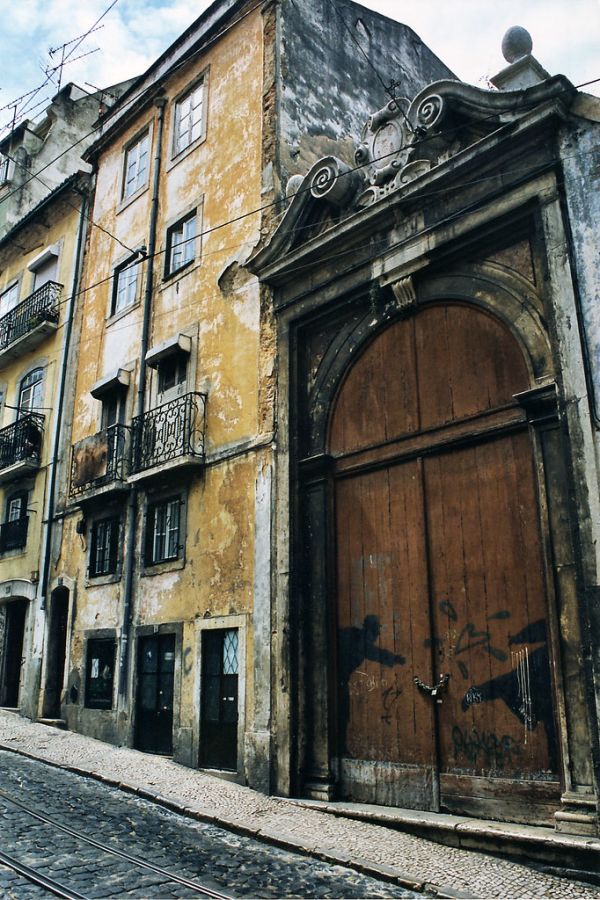
Lisbon is built on seven hills overlooking the Tagus river, and that geography shapes almost everything about visiting. Pastel coloured buildings climb steep streets, old trams grind up gradients that would defeat most vehicles, and there’s a viewpoint, a miradouro, around nearly every corner. If you’re planning things to do in Lisbon, comfortable shoes matter more here than in almost any other European capital.
Things to do in Lisbon: Alfama and the old town
Alfama is Lisbon’s oldest neighbourhood, a warren of narrow lanes that survived the 1755 earthquake that flattened much of the rest of the city. It’s best explored on foot without a fixed plan, since half the appeal is stumbling onto a hidden courtyard or a fado bar spilling music into the street. Fado itself, Portugal’s melancholic folk music, is worth hearing live at least once, and small family run restaurants in Alfama often host informal performances alongside dinner. The historic tram 28 rattles through the district and up into surrounding hills, and while it’s touristy, riding it once is still worthwhile.
Belem and the Age of Discovery
West along the river, the Belem district is where Portugal’s maritime history is most visible. The Jeronimos Monastery, an enormous limestone structure funded by the spice trade, is one of the finest examples of Manueline architecture anywhere. Nearby, the Belem Tower guards the river mouth much as it has for five centuries. No visit is complete without trying an original pasteis de nata at Pasteis de Belem, the bakery that’s been making the custard tarts to a secret recipe since 1837, ideally eaten warm with a dusting of cinnamon.
Miradouros and the view over the rooftops
Lisbon’s viewpoints are scattered across its hills, and chasing a few of them is one of the best free things to do in the city. Miradouro da Senhora do Monte offers arguably the widest panorama, while Miradouro de Santa Luzia, framed by bougainvillea and blue tiled walls, gives a more intimate view over Alfama’s rooftops to the river beyond. Most locals treat these as evening spots, arriving with a bottle of wine to watch the sunset, and joining in is entirely normal.
Time Out Market and Lisbon’s food scene
The Time Out Market in Cais do Sodre turned a traditional produce market into a food hall featuring some of the city’s best chefs under one roof, and it’s a good way to sample a wide range of Portuguese cooking without committing to a single restaurant. Beyond the market, Lisbon’s food scene runs on fresh seafood, grilled sardines especially, and the LX Factory nearby, a converted industrial complex, has become a hub for independent shops, galleries and casual dining.
Sintra as a day trip
Sintra, half an hour by train, feels like a different world entirely, a forested hill town scattered with fantastical palaces built by Portuguese royalty and nobility. Pena Palace, painted in bold reds and yellows, is the standout, but the Quinta da Regaleira estate, with its symbolic underground tunnels and initiation well, is just as memorable. It’s a full day trip rather than a half day, so plan accordingly. If you’re continuing your European trip afterwards, our guide to things to do in Barcelona covers another coastal city with a very different character.
Where to stay in Lisbon
Baixa, the flat, grid planned district rebuilt after the 1755 earthquake, makes a sensible base with easy access to trams heading in every direction. Chiado, just uphill, offers a slightly more polished, boutique feel with good shopping and cafes on the doorstep. Alfama itself is atmospheric but its steep, narrow streets can be impractical with luggage, so it suits travellers happy to walk a little further for the charm of staying right among the fado bars and hidden courtyards.
Getting around Lisbon
The combination of trams, the metro and funiculars handles the hills reasonably well, though walking is unavoidable given the terrain. A rechargeable Viva Viagem card covers most public transport and is worth picking up on arrival. Spring and autumn bring the most comfortable weather, while summer can get uncomfortably hot for the uphill walking the city demands. Whatever the season, pace yourself, Lisbon punishes anyone trying to see it all in a single day.
You might also enjoy our guide to things to do in Oxford if you are still planning your itinerary.