The Health Myths Worth Letting Go Of This Year

Health advice travels fast, especially the kind that gets repeated so often it starts to sound like fact. Some of it holds up. A lot of it doesn’t. Here’s a look at a few common beliefs that are worth questioning rather than following blindly, and why they took hold in the first place.
You don’t need eight glasses of water on the dot
This number gets quoted constantly, but there’s no single figure that applies to everyone. Your needs shift depending on activity levels, climate, and even what you eat, since fruit and vegetables contribute water too. A better approach is simply drinking when you’re thirsty and keeping an eye on the colour of your urine as a rough guide.
If you’re consistently very thirsty or urinating far more than usual, that’s worth checking with a doctor, but for most healthy adults, rigid rules aren’t necessary. The eight glasses figure seems to have started as a rough estimate decades ago that somehow got treated as gospel, without anyone accounting for how much water already comes from food and other drinks.
Cracking your knuckles isn’t the villain it’s made out to be
Plenty of us grew up being warned that cracking knuckles causes arthritis later in life. Research hasn’t really backed this up. The sound comes from gas bubbles shifting in the joint fluid, not damage being done. It might be an annoying habit to the people around you, but it’s unlikely to be harming your joints in the way older generations often insisted.
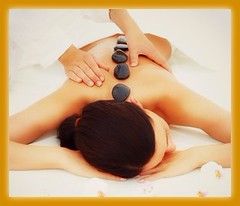
Sweating a lot doesn’t mean you’re detoxing
Sweat is mostly about temperature regulation, not flushing out toxins. Your liver and kidneys do that work regardless of how much you sweat during a workout or sauna session. That doesn’t mean saunas or exercise are pointless, they have plenty of genuine benefits for circulation and relaxation, just not the detox angle so often attached to them by products and programmes trying to sell you something.
Letting go of a few outdated beliefs doesn’t mean ignoring health advice altogether. It just means being a bit more sceptical about claims that sound suspiciously tidy, and asking where the evidence actually comes from before building habits around them. A healthy dose of curiosity tends to serve you better than blind repetition of whatever was popular when you were growing up.
A simple test for spotting a shaky claim
One useful habit is asking whether a piece of health advice comes with a specific, checkable source, or whether it’s simply something everyone seems to say without anyone quite remembering where it came from. Claims that promise a single dramatic fix, cutting out one food group entirely, drinking a particular tonic every morning, tend to deserve more scepticism than advice that sounds boring and consistent, like getting enough sleep or moving regularly. A common mistake is assuming that because something has been repeated for decades, it must be accurate, when plenty of outdated advice simply outlived the science that eventually contradicted it. Treating a bold claim as a question rather than an instruction is generally the safer default.
You might also enjoy our guide to 8 Hernia Remedies to Reduce Pain Naturally if you are still planning your itinerary.
Still deciding where to go next? Our guide to A Beginner’s Guide to Building Sustainable Health Habits might help.