What Is Burlesque? A Beginner’s Guide to the Art of Tease
Burlesque is one of those words people use without being quite sure what it means. Is it dancing? Comedy? A striptease? The honest answer is a bit of all three, wrapped in glamour and served with a wink. Here is the plain-English version.
The meaning behind the word
Burlesque originally meant a comic, exaggerated send-up, a theatrical parody that poked fun at serious subjects. Over the nineteenth and twentieth centuries, particularly in America, it evolved into the variety format we recognise today: a mix of music, comedy, dance and theatrical striptease. The word now covers that whole tradition of playful, glamorous performance.
What actually happens in a burlesque show
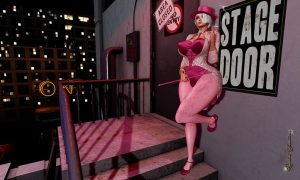
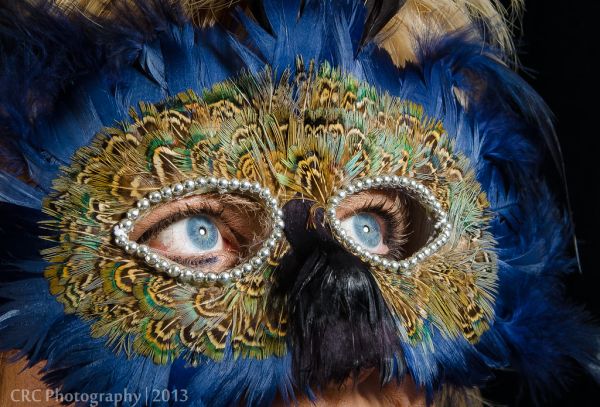
A classic act is built around the tease, not the reveal. A performer uses costume, character, music and timing to draw the audience in, often peeling back elaborate outfits of feathers, gloves and corsetry with plenty of theatre and humour along the way. It is closer to cabaret and vaudeville than to a strip club, and the skill lies in the performance and the storytelling. Comedy, circus and drag often share the same stage.
Old-school glamour and the modern revival
The golden age of burlesque faded mid-century, then came roaring back through the neo-burlesque movement, with stars like Dita Von Teese bringing the corsets and feather fans to a whole new audience. Today it is a thriving live scene, celebrated as much for its body-positive, anything-goes spirit as for the glamour.
Curious to see it for yourself? London has one of the best scenes anywhere. Our guide to burlesque in London covers the top shows and venues, from the immersive London Cabaret Club to the notorious Box in Soho. It is a wonderful night out, and now you will know exactly what you are watching.